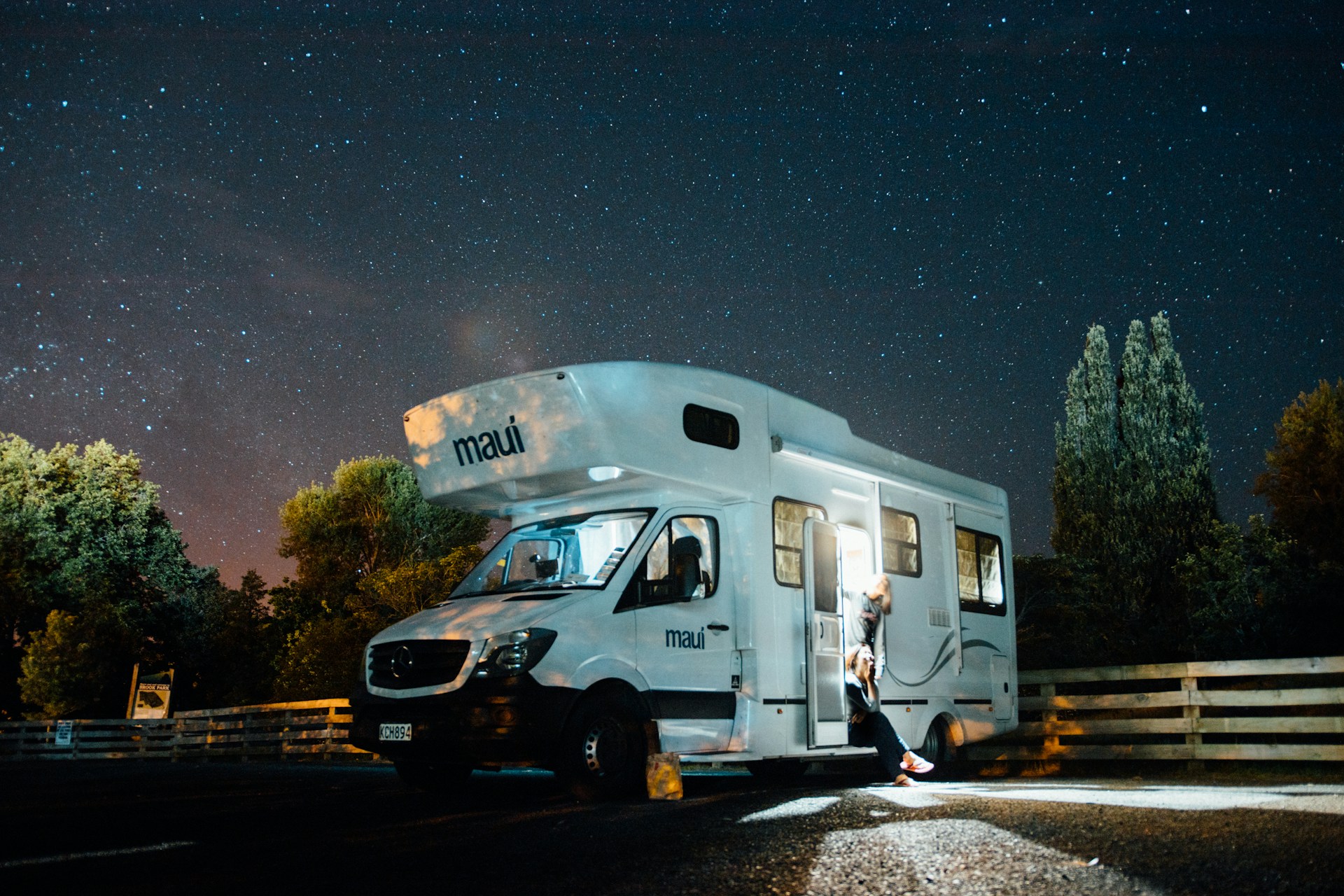
Your motorhome has been back to the dealership three times for the same electrical fault, and nobody will give you a straight answer about whether it’s covered. You paid six figures for a vehicle that was supposed to take you across the country, and instead it sits in a service bay while your warranty clock keeps ticking.
We hear this from RV owners constantly, and the confusion makes sense. RV lemon law in California doesn’t work the same way as lemon law for a sedan or a pickup truck, and the difference matters. Some parts of your rig get the full protection of the Song-Beverly Consumer Warranty Act. Other parts get a different, weaker form of coverage. Knowing which is which changes how you build your case and what kind of outcome you can expect.
The Chassis and Engine Are Covered Like Any Other Vehicle
RV lemon law starts with a distinction most owners never hear about until something goes wrong: your motorhome is really two products in one. The chassis, the engine, and everything tied to propulsion count as a “new motor vehicle” under California Civil Code § 1793.2, the same statute that covers a defective Honda or a defective Ford. If the manufacturer can’t fix a transmission problem, a braking issue, or an engine defect after a reasonable number of attempts, you have the same right to a refund or replacement that any car buyer has.
This is the strongest part of an RV lemon law claim. Propulsion defects are well understood by courts, well documented in repair orders, and treated exactly like a defect in a passenger vehicle. If your engine stalls on the freeway or your transmission slips every time you merge, you’re standing on solid statutory ground.
The Living Area Isn’t Covered the Same Way, But It’s Not Unprotected
Here’s where RV lemon law gets complicated, and where we want to be honest with you instead of overselling your case. The living quarters of your motorhome, the appliances, the slide-outs, the plumbing, the generator, the cabinetry, aren’t part of the “new motor vehicle” definition under § 1793.2. That means the strong presumption that applies to engine and chassis defects doesn’t automatically apply to a broken refrigerator or a leaking slide-out seal.
That doesn’t mean you’re stuck. Those components typically come with their own manufacturer warranties, and Song-Beverly’s general consumer goods protections still apply to them. A defective generator that’s been repaired four times and still won’t run is a real claim. It just travels a different legal path than a defective transmission, and a motorhome lemon law buyback claim built the right way accounts for both tracks at once.
Towable RVs Follow a Separate Set of Rules
If you own a travel trailer or a fifth wheel instead of a motorized coach, know that towables aren’t treated as motor vehicles under the lemon law presumption at all, since they have no engine or chassis of their own. You still have coverage through your manufacturer’s express warranty and through Song-Beverly’s consumer goods provisions, but RV lemon law claims for a towable won’t be built around § 1793.2 the way a motorhome owner’s claim would. If you’re not sure which category your rig falls into, that’s the first thing we sort out before building your case.
What Murillo Teaches Every RV Owner About Litigation Risk
We think every motorhome owner considering an RV lemon law claim should know about Murillo v. Fleetwood Enterprises, Inc., a California Supreme Court case involving a Fleetwood Pace Arrow motorhome. The buyer sued under Song-Beverly after repairs failed to fix the defects he’d reported, turned down a settlement offer, and took the case to trial. The jury sided with the seller on every count, and the California Supreme Court went on to rule that a seller who wins a Song-Beverly case can recover its own costs and expert witness fees from the consumer who lost.
We don’t bring this up to scare you off. We bring it up because it’s exactly the kind of risk a strong case protects you from. The reason Song-Beverly works for the buyers we represent is preparation: documented repair attempts, a manufacturer that had a real chance to fix the problem and didn’t, and a claim built on evidence instead of frustration. Murillo is a reminder that an RV lemon law case is a real lawsuit with real stakes, which is exactly why we build every case around the facts, not around hope.
How Many Repair Attempts Qualify Your RV for a Buyback
For the propulsion side of your motorhome, the same presumption thresholds apply as any other vehicle under Civil Code § 1793.22. Four or more repair attempts for the same defect, two or more attempts for a safety defect, or thirty or more cumulative days out of service within eighteen months or eighteen thousand miles all trigger a presumption that the manufacturer has had a reasonable opportunity to fix your rig. Once that presumption applies, the burden shifts to the manufacturer to show why it shouldn’t have to buy your motorhome back.
You don’t need to hit an exact number to have a strong RV lemon law claim. What qualifies as a substantial defect matters more than the raw count, since a single safety issue can carry more weight than several minor annoyances. Keep every repair order. Note the date, the mileage, and exactly what the technician wrote down, because thin paperwork is the single biggest reason strong claims fall apart.
What a Motorhome Lemon Law Buyback Actually Looks Like
When a manufacturer buys back a defective motorhome, you’re entitled to the purchase price, your registration fees, and other incidental costs, minus a mileage offset for the use you got before the first repair attempt. Because motorhomes carry a much higher price tag than the average car, that offset calculation matters more here than almost anywhere else in RV lemon law, and it’s worth having someone check the math before you accept a manufacturer’s number.
We handle the propulsion claim and the habitation claim together whenever both apply, because separating them usually means leaving money on the table. A motorhome lemon law buyback that only accounts for the chassis and ignores a defective generator or a slide-out that’s never worked right isn’t the full recovery you’re owed. You can read the DCA’s consumer overview of California lemon law for the baseline rules, but RV claims need someone who understands where the motorhome-specific carve-outs apply.
What To Do If Your RV Keeps Breaking Down
Start documenting now, even before you decide whether to pursue a claim. Every repair visit, every invoice, every conversation with a service advisor about what was wrong and what they did about it belongs in a folder you control, not just the dealership’s file. If you want a clearer sense of whether what you’re dealing with rises to the level of a lemon, our lemon qualifier walks you through the same questions we’d ask you on a call.
You shouldn’t have to fight your RV’s manufacturer alone, and you shouldn’t have to pay us to try. The manufacturer covers our fees when we win, not you. If your motorhome has been in the shop more times than you can count on one hand, tell us what’s been happening and we’ll tell you exactly where you stand on your RV lemon law claim.