
Lucid and Polestar Lemon Law California: New EV Brands, Same Consumer Rights
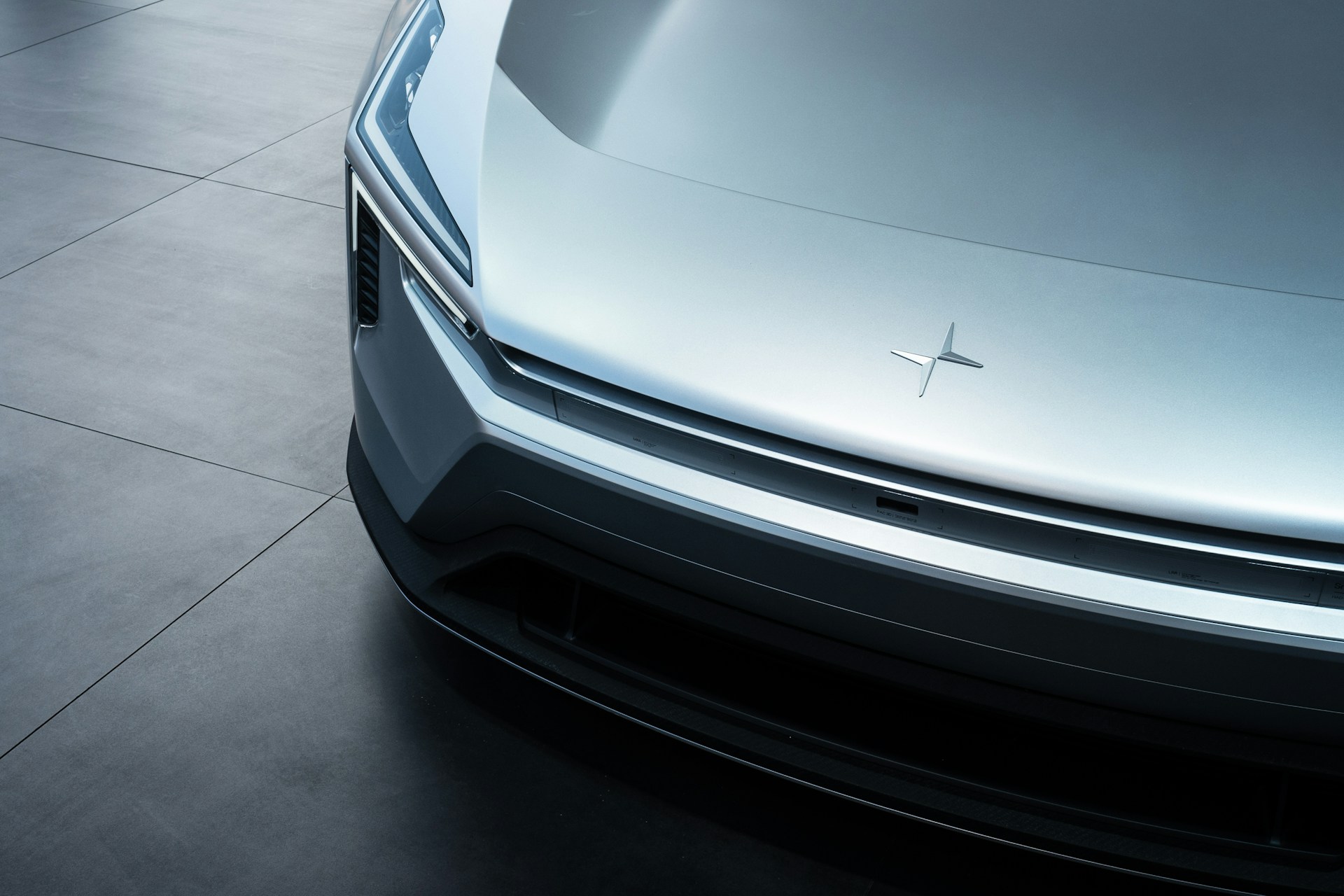
You paid luxury money for a car from a company most of your neighbors had never heard of. That was part of the appeal. Then the screen went black on the freeway, or the car lost drive power in a parking lot, or the rearview camera showed “temporarily unavailable” for the third week in a row. Now you are waiting on a service appointment, a mobile tech, or an over-the-air update that may or may not fix anything.
Here is what you need to know first: being a young brand does not shrink your rights, and Lucid lemon law California protections are just as strong as any other brand’s. Lucid and Polestar sell new vehicles in California with a written factory warranty, and that puts them under the same lemon law as Ford, Toyota, and BMW. If the manufacturer can’t fix your car in a reasonable number of tries, it owes you a refund or a replacement.
This guide explains how Lucid lemon law California claims and Polestar buyback claims work, what recent recalls tell you, and how to build a case that a newer automaker can’t brush aside.
A Newer Brand Is Not a Lesser Warranty
Some owners assume a startup automaker plays by different rules. It doesn’t. California’s Song-Beverly Consumer Warranty Act applies to every manufacturer that sells new cars here with an express warranty. There is no exemption for low sales volume, direct-to-consumer sales, or a limited service network.
Under Cal. Civ. Code § 1793.2, the manufacturer has to give you reasonable access to repair facilities, finish warranty repairs within 30 days unless you agree otherwise, and replace the car or refund your money if it can’t fix a warranty defect after a reasonable number of attempts. That last part is the heart of every Lucid lemon law California case.
A thin service network can actually strengthen a Lucid lemon law California case. If the nearest Lucid or Polestar service location can’t get you in for weeks, or keeps your car for a month waiting on parts, those days count.
Takeaway: Your Lucid or Polestar carries the same California protections as any legacy brand. Lucid lemon law California rules don’t come with an asterisk. Don’t let a small company size talk you out of a claim.
What Recent Recalls Tell You About These Cars
Both brands are still working through first-generation problems. A recall does not automatically make your car a lemon, but it does prove the problem is real and not your driving.
Lucid. In August 2026, Lucid recalled 27,185 Air sedans in the U.S. because an exterior lighting circuit could overheat, raising fire risk and possibly knocking out exterior lights. Owners were told to park outside until an over-the-air software update reached their car. Earlier in 2026, Lucid issued separate recalls for a rearview camera image problem (more than 10,000 vehicles) and loss of drive power (about 2,039 vehicles). An earlier 2024 recall covered 5,251 model year 2022 and 2023 Air sedans for intermittent hardware connections that could cause loss of drive power.
Polestar. The Polestar 2 has a long rearview camera history. A 2025 recall covered more than 27,800 Polestar 2 vehicles built from July 2020 to November 2024 because the rearview display could fail to show an image. That was the second recall for the same symptom. When owners kept reporting failures after the fix, NHTSA opened a recall query, and Polestar issued a third recall with another software update in April 2026. NHTSA closed its query after complaints dropped, but said it would keep watching.
You can check your own VIN on the NHTSA recall lookup.
Takeaway: If your car got a recall fix and the problem came back, that is not the end of the story. It is another documented repair attempt, and it belongs in your Lucid lemon law California file.
Over-the-Air Updates Still Count as Repair Attempts
This is where EV owners get stuck. With a gas car, you drop it at the dealer and get an invoice. With a Lucid or Polestar, the “repair” might be a software push at 2 a.m. while the car sits in your garage. No visit. No paperwork. No clear record.
Don’t let that erase your history. When you report a defect and the manufacturer responds with an update meant to fix it, that is a repair attempt. The trick is proving it. Every strong Lucid lemon law California claim we see has a clean paper trail, even for updates.
Here is how to build one:
- Report every problem in writing, through the app, by email, or with a service request. A phone call alone leaves no record.
- Screenshot the update notes and the software version before and after.
- Ask for a repair order or case number whenever a mobile tech or service center touches the car.
- Write down the date the problem returns after an update.
- Save photos and video of warning messages, black screens, and error codes.
Takeaway: Treat each software fix like a service visit. If you can’t prove it happened, the manufacturer will act like it didn’t.
You Don’t Have to Prove Why the Car Is Failing
EV defects often live inside sealed battery packs, control modules, and code you will never see. Lucid and Polestar owners sometimes worry they need an engineer to explain what’s wrong. You don’t. Your job is to show the defect exists, that you reported it, and that the manufacturer had a fair chance to fix it.
Donlen v. Ford Motor Co., 217 Cal. App. 4th 138 (2013) shows how courts look at the full repair history. The owner’s truck went in for transmission problems several times under warranty. About a year after the warranty expired, the transmission needed work again. Ford argued the jury should never have heard about that later repair. The Court of Appeal disagreed and reinstated the owner’s win. A problem that seems fixed and then comes back is relevant evidence that it was never truly repaired in the first place.
That matters for every Lucid lemon law California claim built on software problems. Software patches often make a symptom go quiet for a few weeks. If your camera, drive unit, or charging system fails again after the “fix,” Donlen supports the argument that the defect was never cured during the warranty.
Takeaway: Keep records even after a problem seems solved. A defect that returns is evidence, not bad luck.
How a Polestar EV Lemon Law Buyback Works
A Polestar EV lemon law buyback works the same way as a buyback from any other manufacturer. If you qualify, the manufacturer must repurchase the car. That refund generally includes:
- The price you paid, including the down payment and monthly payments
- Sales tax, registration, and license fees
- Finance charges
- Incidental costs such as towing or rental cars
The refund is reduced by a “mileage offset,” which means a deduction based on how far you drove before you first brought the car in for the defect. Your loan gets paid off as part of the deal. Leased cars qualify too.
The same math applies to Lucid lemon law California buybacks. With Lucid Air and Gravity prices often well into six figures, the dollars at stake are significant. Lucid lemon law California cases are high-stakes for the manufacturer too, so expect the manufacturer to start with a lowball “goodwill” offer, an extended warranty, or a trade-in credit instead of a full refund. A Polestar EV lemon law buyback offer that doesn’t put your money back in your pocket is not the remedy the law requires.
California law also gives you a legal presumption in your favor if your car hit certain repair thresholds within 18 months or 18,000 miles: two attempts for a defect that could cause death or serious injury, four attempts for the same defect, or more than 30 days out of service. Loss of drive power and a dead rearview camera are the kind of safety problems where two attempts can be enough.
Takeaway: Before you accept any Lucid lemon law California settlement or Polestar offer, compare it against a full statutory refund. The difference is often thousands of dollars.
What AB 1755 Changed, and What It Didn’t
In 2024, California passed AB 1755, and a follow-up bill (SB 26) was signed in 2025. Together they created a new process that manufacturers can choose to opt into. Under that process, you send the manufacturer a written demand for a refund or replacement at least 30 days before filing suit. The manufacturer then has 30 days to make an offer and 60 days to complete it. If it misses those deadlines, you can move forward with your lawsuit.
The California Department of Consumer Affairs keeps the official list of manufacturers that have opted in. That list updates each year, so check it rather than relying on a forum post or a sales rep.
Here is what AB 1755 did not change: your core right to a refund or replacement, the manufacturer’s duty to pay your attorney’s fees when you win, and the civil penalty of up to twice your damages when a manufacturer willfully refuses to honor its obligations. Every Lucid lemon law California claim still rests on Song-Beverly.
Takeaway: The new rules change some timing and paperwork. They don’t change what you are owed. A lawyer handles the notice so a missed step doesn’t cost you.
Lucid Lemon Law California: Mistakes That Weaken Your Claim
New-brand owners make a few predictable mistakes. Avoid these:
- Waiting for “the next update.” Each month you wait is another month of mileage offset and frustration.
- Accepting a goodwill credit without reading what you’re giving up.
- Selling or trading in the car before talking to a lemon law attorney.
- Relying on chat logs you can’t export. Save copies now.
- Assuming a used purchase rules you out. A 2024 California Supreme Court ruling narrowed coverage for many used cars, but some still qualify. Get your paperwork reviewed first.
For a broader look at how California treats battery, software, and charging defects across all EV brands, read our guide on whether California lemon law covers electric vehicles.
Your EV Was Supposed to Be the Future. We Make Them Stand Behind It.
You took a chance on a new brand. You shouldn’t be the one paying for its growing pains. We have handled thousands of lemon law cases against major manufacturers, and we fight just as hard against the newcomers. We do not like bullies, no matter how sleek the car.
Under California law, the manufacturer pays our fees when you win. Not you. Most of our clients handle the whole process remotely, which suits EV owners who already do everything from an app.
If your Lucid or Polestar keeps going back for the same problem, find out what your repair history is worth. Start your free case review and we’ll tell you whether your Lucid lemon law California claim or Polestar EV lemon law buyback qualifies.
Think you've got a lemon?
Free case evaluation. No fees, ever. Win or lose.