
Are Infotainment & Touchscreen Defects Enough for a Lemon Law Claim?
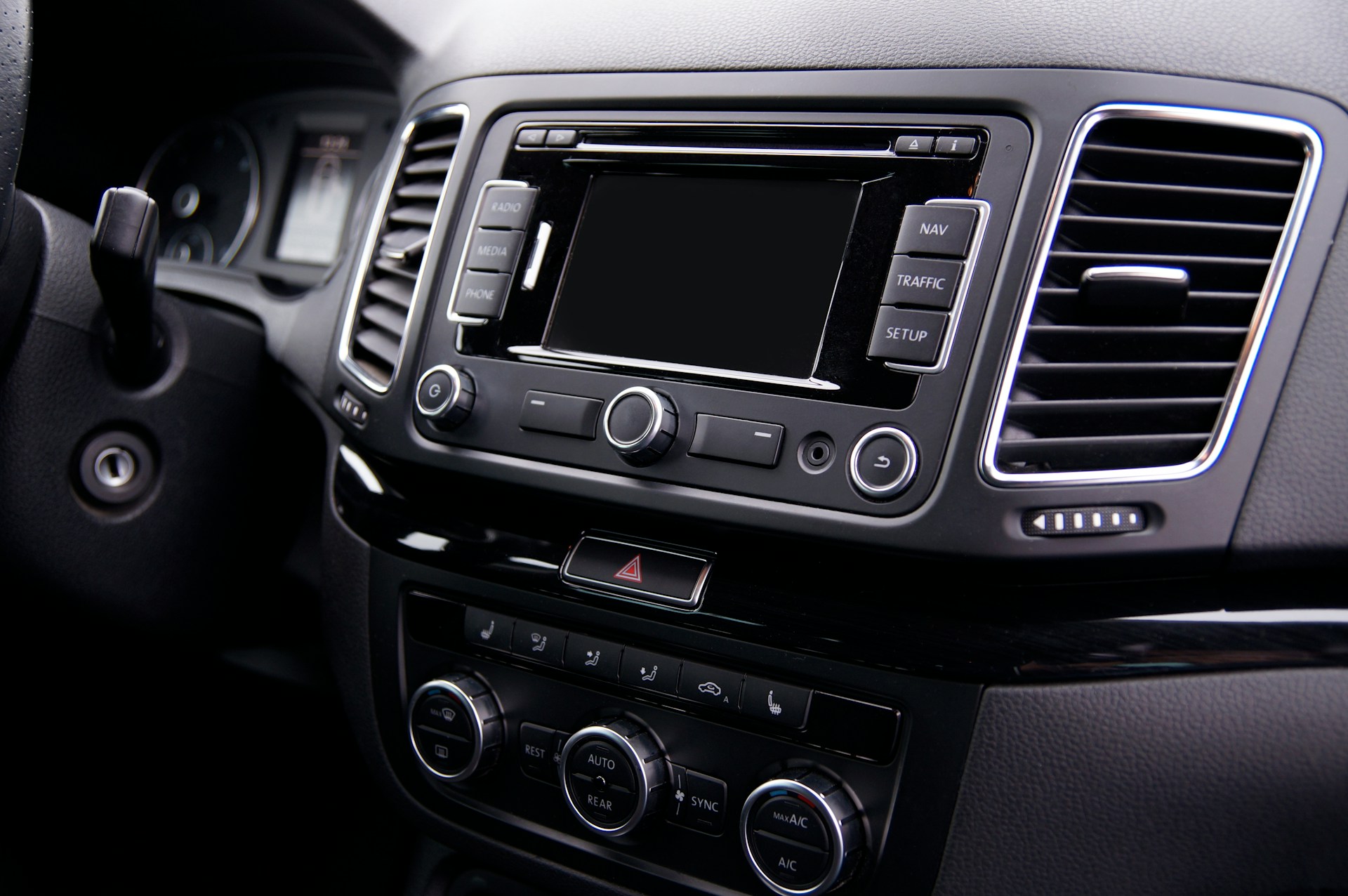
Your backup camera won’t load. Your climate controls are buried inside a screen that just rebooted itself for the third time this week. You reach for the volume knob and there isn’t one, because everything lives behind glass, and the glass just froze again.
It’s easy to hear “it’s just the screen” and assume you’re stuck with it. You’re not. When a touchscreen defect keeps you from doing things the car is supposed to let you do safely, it’s not a cosmetic annoyance. It can be a genuine infotainment defect under California’s lemon law, and you deserve a car that actually works the way it was sold to you.
What’s Actually At Stake With An Infotainment Defect
Modern vehicles route far more than music through the center screen. Backup cameras, blind spot alerts, climate control, defrost, parking sensors, even gear selection on some models, all sit behind the same touchscreen. When that screen freezes, reboots mid drive, or goes black, you’re not losing a convenience feature. You’re losing safety systems you paid for.
There’s also the resale problem. A car with a documented, recurring infotainment defect is a harder sell, and dealers know it. Waiting quietly while your dealership shrugs off a “software issue” costs you leverage, not just patience.
Think about what a single failed screen cycle actually takes away. No rearview camera while backing out of a tight driveway. No defrost controls on a foggy morning commute. No way to adjust cabin temperature for a child in the back seat because the climate menu won’t load. Manufacturers marketed these features as part of the car’s safety and comfort package, and a recurring touchscreen defect quietly takes them back one freeze at a time.
Is This Really A Touchscreen Problem?
Automakers sometimes use “infotainment” as a catch all label to make a defect sound minor, as if it only touches music and navigation. In practice, the infotainment module is often wired into systems that have nothing to do with entertainment. A defect there can knock out lane departure warnings, disable heated seats, or block access to tire pressure readings. Naming it “infotainment” doesn’t change what it disables. If the feature affects how safely or comfortably you can drive the car, it belongs in the conversation about whether your vehicle qualifies as a lemon.
Does A Touchscreen Defect Meet The Legal Bar?
California’s lemon law protects you when a defect substantially impairs your vehicle’s use, value, or safety. That’s the test, and it’s broader than most drivers assume. A touchscreen defect doesn’t have to strand you on the freeway to qualify. If it repeatedly knocks out your backup camera, disables climate controls in triple digit heat, or locks you out of features the car was marketed with, that’s substantial impairment in plain terms.
We know exactly where the qualifying line falls, and we’ve mapped it out in detail here: what counts as a substantial defect. If your screen problems match that pattern, you’re not being difficult. You’re pointing at a real infotainment defect that the manufacturer is obligated to fix.
A single glitch usually isn’t enough on its own. What moves the needle is the pattern: the same touchscreen defect showing up trip after trip, surviving multiple repair visits, and interfering with the same safety feature each time. One frozen screen might be bad luck. Six frozen screens across four months, each one knocking out your backup camera at a different intersection, is a pattern a manufacturer has to answer for.
You Don’t Have To Explain Why The Screen Keeps Failing
Here’s where a lot of drivers get stuck. The dealership can’t isolate the cause. The service advisor mutters something about a “software gremlin” and sends you home with nothing fixed. You start to wonder if the burden is on you to diagnose your own car.
It isn’t. In Donlen v. Ford Motor Co., 217 Cal. App. 4th 138 (2013), the court made clear that a consumer doesn’t have to prove what’s causing a defect in order to hold the manufacturer accountable. You just have to show the defect exists and that it substantially impairs the vehicle. That principle matters enormously for infotainment systems, which are often sealed, software driven, and genuinely hard for even trained technicians to pin down. The manufacturer built the system. Figuring out why it fails is the manufacturer’s job, not yours.
This is especially important for a touchscreen defect, because “we can’t reproduce it” has become a common line at service counters. Screens sometimes behave perfectly the moment you hand the keys to a technician, then fail again on your drive home. Donlen means that gap doesn’t cost you your claim. An intermittent infotainment defect is still a defect, whether the dealership can catch it in the act or not.
The Obligation Dealerships Often Skip
California Civil Code section 1793.2(a)(3) requires manufacturers to make sure authorized repair facilities have sufficient service literature and replacement parts to actually fix problems during the warranty period. In practice, that means your dealership is supposed to have the diagnostic tools, software updates, and technical documentation needed to address a touchscreen defect, not just a shrug and a reboot suggestion.
When a dealer tells you there’s “no fix available” for a known infotainment defect, ask them to put that in writing. If the manufacturer hasn’t equipped its own service network to solve the problem, that’s not your failure. It’s theirs, and it’s the kind of gap that strengthens a claim rather than weakening it.
We’ve seen this play out the same way across brands. A software patch gets promised at one visit, never gets pushed to the vehicle, and by the third or fourth appointment the advisor has stopped mentioning it at all. That silence is worth documenting too. A manufacturer that can’t produce a working fix for a known infotainment defect within a reasonable number of attempts has run out of chances under the law, not just your patience.
How This Shows Up Across Different Brands
We’ve handled infotainment defect claims tied to frozen center stacks, backup cameras that go dark on a delay, and climate systems locked out entirely because the touchscreen won’t respond to input. The specific symptoms vary by manufacturer, but the pattern is consistent: a promised software update, a repair visit that doesn’t stick, and a second or third visit where the same infotainment defect resurfaces. If that sounds familiar, you’re not dealing with a fluke. You’re dealing with exactly the kind of recurring failure the lemon law was written to address.
What To Document While The Problem Is Happening
- Every visit, even the quick ones. Note the date, mileage, and exactly what the screen did, whether it froze, rebooted, went black, or lost a specific function like the camera.
- What the dealer told you. If they said the problem “could not be duplicated,” get that phrase in writing on the repair order.
- Video, if it’s safe to record. A ten second clip of the screen failing while parked is worth more than a paragraph of memory later.
- How the defect affected your day. Missed the backup camera and had a close call in a parking lot? Write it down while it’s fresh.
You can check recall activity tied to your specific make and model through the NHTSA recall database, since some infotainment failures turn out to be part of a broader manufacturer issue rather than a one off glitch.
Where This Fits In The Bigger Picture
Software defects are still new territory for a lot of consumers, and the California Department of Consumer Affairs keeps a plain language overview of your lemon law rights if you want the broader statutory context. For the exact repair obligation language, you can read Civil Code section 1793.2 directly.
None of this should require you to become a software engineer just to get your car fixed. We’ve got your back on the technical side, and the manufacturer pays our fees, not you.
Ready To Know Where You Stand?
A recurring infotainment defect is not something you have to live with, and it’s not something you have to diagnose yourself. If your screen keeps failing and the dealership keeps shrugging, start your free case review and let us look at what you’ve documented so far. We fight for your rights, and win or lose, the manufacturer is the one who pays.
Think you've got a lemon?
Free case evaluation. No fees, ever. Win or lose.